

This Content Is Only For Subscribers
The world-renowned Wildlife Photographer of the Year exhibition will return to Tāmaki Paenga Hira Auckland War Memorial Museum from June 28, showcasing leading nature photography from around the globe.
Now in its 61st year, the exhibition is on loan from the Natural History Museum and features 100 images selected from more than 60,000 entries submitted across 113 countries and territories.
Global competition highlights
Wildlife Photographer of the Year, first launched in 1965, is considered one of the most prestigious photography competitions of its kind.
The exhibition highlights images capturing animal behaviour, species diversity and environmental change, with a focus on storytelling through photography.
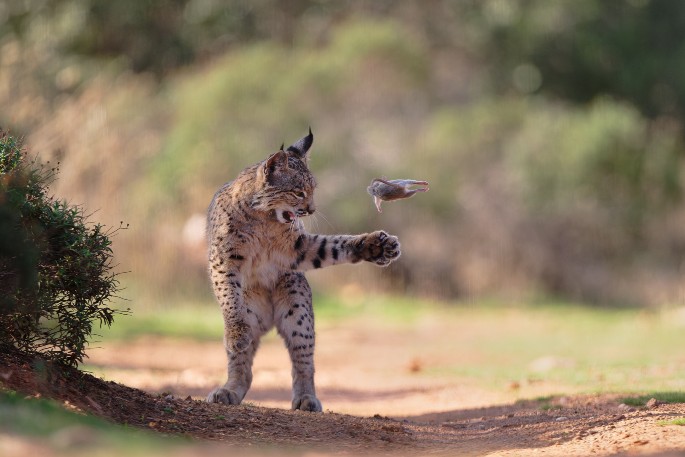
Ahead of its Auckland opening, Austrian photographer Josef Stefan was named winner of the 2026 People’s Choice Award for his image Flying Rodent, which depicts an Iberian lynx in Spain.
The overall Wildlife Photographer of the Year award went to Wim van den Heever for Ghost Town Visitor, showing a brown hyena in an abandoned mining town in Namibia.
Young Wildlife Photographer of the Year was awarded to 17-year-old Andrea Dominizi for an image highlighting habitat loss in Italy.
Auckland exhibition
Auckland Museum director of audience engagement Victoria Travers says the exhibition offers a chance to engage with both the beauty and challenges of the natural world.
“It’s a privilege to bring Wildlife Photographer of the Year back to Auckland and share some of the most compelling photos taken of our natural world today.”
The exhibition will run from June 28 to August 23, with entry included as part of general museum admission. Admission is free for Auckland residents.
Science and storytelling
Natural History Museum director Doug Gurr says the exhibition continues to combine visual storytelling with scientific insight.
“Wildlife Photographer of the Year is a powerful platform for visual storytelling, showing the diversity, beauty and complexity of the natural world and humanity’s relationship to it.”
The exhibition is developed and produced by the Natural History Museum, London, and supported locally by Lindblad Expeditions.