

This Content Is Only For Subscribers
A kiwi translocation to Karioi Rāhui in southern Ruapehu marks a significant milestone in the long-term recovery of the species, with potential benefits for conservation tourism in the region.
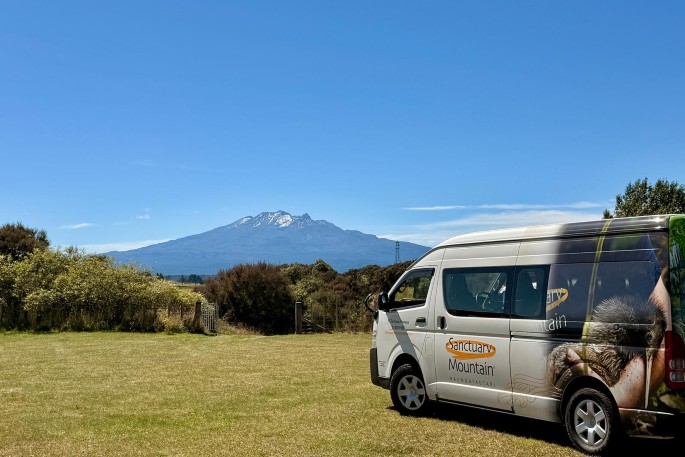
Recently, the first 10 of up to 40 kiwi from Sanctuary Mountain Maungatautari were released into the care of Ngāti Rangi at Rangataua, as part of the national kiwi repopulation strategy.
Supporting long-term recovery
Karioi Rāhui is a 5,300-hectare conservation project jointly managed by Ngāti Rangi and the Department of Conservation.
The project was established in 1997 to prevent the extinction of western brown kiwi in the area, with more than 100 birds already released prior to this latest translocation.
Ngā Waihua o Paerangi Trust pou ārahi Helen Leahy says the release represents an important step.
“Welcoming these kiwi home to Karioi Rāhui is another important step in the journey to restoring a self-sustaining population,” Helen says.
Building genetic diversity
The translocation is the first time kiwi from Sanctuary Mountain Maungatautari have been introduced to the site, contributing genetic diversity to support the long-term resilience of the population.
Sanctuary Mountain Maungatautari chief executive Helen Hughes says the release reflects decades of conservation work.
“These birds represent decades of collective effort, and it is a privilege for the sanctuary to support the long-term health of kiwi populations beyond our boundary,” Helen says.
Collaborative conservation effort
The translocation involved collaboration between iwi, conservation organisations and community partners, including Save the Kiwi.
Save the Kiwi operations manager and population biologist Tineke Joustra says partnerships are critical to species recovery.
“Translocations like these demonstrate what is possible when iwi, community and conservation organisations work together with a long-term vision,” Tineke says.
Cultural and visitor significance
Ngāti Koroki Kahukura supported the transfer through tikanga processes, highlighting the cultural importance of kiwi as taonga.
The project also contributes to the wider conservation landscape of the central North Island, supporting biodiversity outcomes that underpin nature-based tourism experiences in the region.
Monitoring of the newly released birds will continue as they establish at Karioi Rāhui.