

This Content Is Only For Subscribers
A former bricklayer is helping preserve some of New Zealand’s historic sites on the West Coast, using specialist masonry skills to restore ageing heritage structures managed by the Department of Conservation.
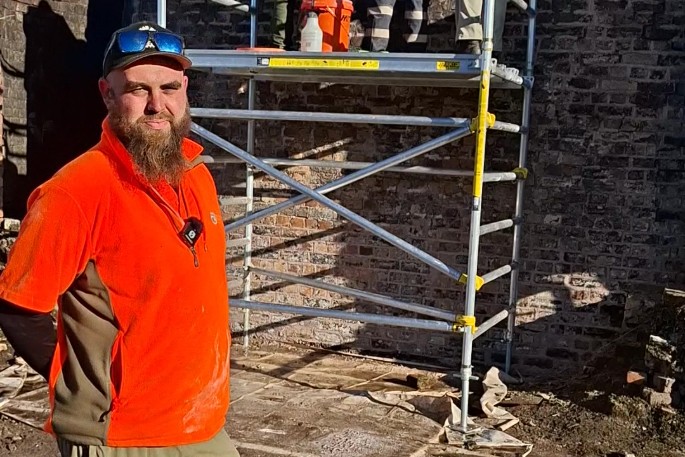
DOC heritage project lead ranger Matt Ainge has spent the past three years working with DOC after previously spending a decade in the bricklaying industry.
Heritage skills shared nationwide
Last week, Matt led a hands-on workshop at Waiuta, teaching DOC rangers from around the country how to assess and repair historic masonry structures.
The training focused on repairs to the Economiser Building at the former West Coast mining settlement south of Reefton.
Matt says DOC manages a significant number of heritage masonry sites across the country.
“We’ve just got thousands – there’s lots to do and lots to learn.”
Preserving historic structures
DOC’s heritage masonry portfolio includes chimneys, huts and industrial buildings such as fan houses and brick works.
Matt says many structures are showing signs of deterioration and require specialised repair methods.
“Older masonry might be falling apart or have deterioration issues, or incorrect previous repairs are starting to show – we want to stop these things happening.”
He says modern materials can sometimes accelerate damage to historic buildings.
“Using modern cement in place of traditional lime mortars can trap moisture and lead to faster decay of heritage fabric.”
Career change to conservation
Matt says moving from commercial bricklaying into conservation work was a major shift.
“It was an exciting shift because I’d been doing the same job for 10 years.”
He later received the 2024 Stephen O’Dea Award, which enabled him to undertake specialist heritage masonry and conservation training.
Tourism and heritage connection
Waiuta is recognised as a Tohu Whenua site and remains a popular destination for visitors interested in New Zealand’s mining history.
Matt says maintaining heritage structures helps preserve important visitor experiences in conservation areas.
“In my new role, I’m looking after heritage sites across the West Coast and sharing my knowledge within DOC, so rangers are better able to maintain these special places.”