

This Content Is Only For Subscribers
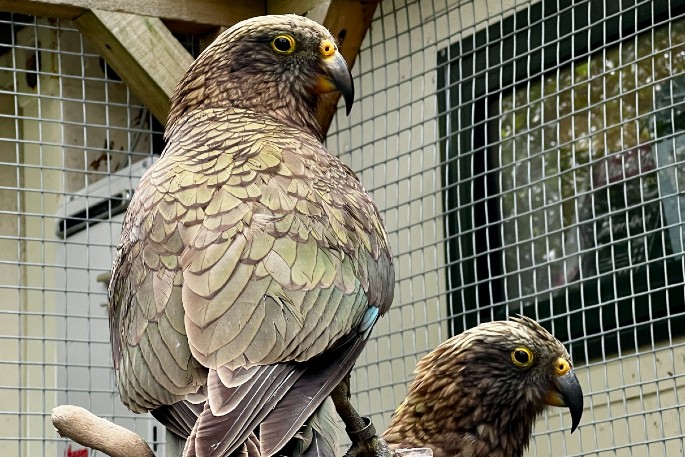
Five kea from South Westland towns have been taken to the South Island Wildlife Hospital for lead poisoning treatment in recent weeks, with one bird dying.
The Department of Conservation says kea are exposed to lead by chewing roofing materials on older buildings, including flashings and lead-head nails, and by scavenging carcasses of animals killed with lead shot.
Four of the birds were treated and released after undergoing chelation therapy. DOC says treatment is only effective within a narrow window after exposure, before lead is stored in bones.
More than 800 kea tested between 2006 and 2022 found 84 per cent had some lead exposure, while 23 per cent had toxic blood lead levels.
DOC ranger Tracey Dearlove says risks to kea are often linked to access to human food.
“When kea get easy access to human foods, through unsecured rubbish, compost bins or people feeding them, they quickly learn to scrounge,” Tracey says.
“Once they associate people with food, they are more likely to hang around houses, eat lead on old buildings and cause damage to property.”
She says the “three golden rules” are to remove access to food, remove sources of lead, and make properties as unappealing as possible to kea.
The Kea Conservation Trust offers financial assistance for lead removal from buildings in kea habitat. Since its programme began, more than 500 buildings have been made lead-free, removing four tonnes of lead from the environment.