


This Content Is Only For Subscribers
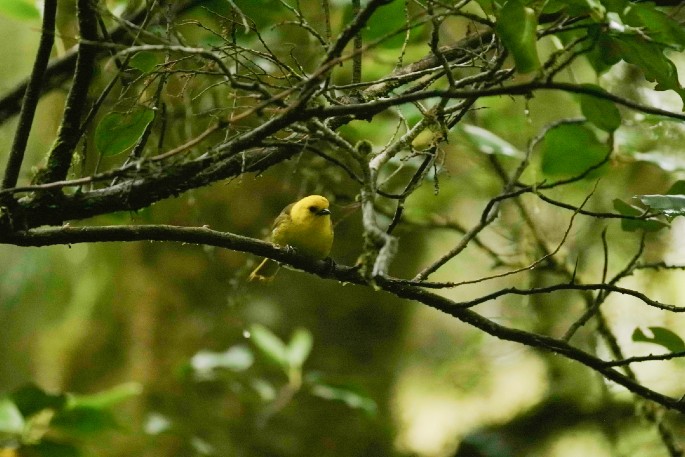
A recent decline in mohua numbers in a remote Landsborough valley has highlighted the species’ dependence on effective predator control, according to the Department of Conservation.
Mohua, also known as yellowhead, are classified as ‘At Risk’, with populations in decline outside a small number of mainland strongholds and pest-free islands.
Long-running monitoring project
DOC has been monitoring forest bird populations in the Landsborough valley for 28 years, making it the longest-running project of its kind.
When surveys began in 1998, just 14 mohua were recorded in the 350-hectare study area. Numbers later grew to more than 500 by 2022, making mohua the most common native bird in the valley.
Recent fluctuations
DOC says monitoring over the past two years has shown a temporary dip, with numbers falling 25 per cent in 2024 before rising 21 per cent in 2025.
DOC national predator control programme manager Peter Morton says the change reflects how vulnerable the species is to predators.
“In 2023 mohua took a hit from a surge in rat numbers fuelled by local beech forest seeding before a predator control operation was run in January 2024.
“Mohua roost and nest in holes in trees and are helpless when rats invade.”
He says populations have since begun to recover as predator numbers fall.
“This shows how critical well-timed predator control is to mohua survival – if we misstep, this sensitive species can go backwards disturbingly quickly.”
Control efforts underway
DOC says aerial 1080 operations have been carried out across 600,000 hectares of priority South Island conservation areas in the past six months, including the Landsborough valley.
The programme aims to reduce predator numbers following widespread beech forest seeding, which can trigger rat population surges.
Community contribution
The New Zealand Deerstalkers Association Central Otago branch has also supported predator control, running trap lines in the lower valley for the past two years.
Peter says community involvement plays an important role.
“People can help restore nature by setting traps in their backyard or joining a local trapping group. These acts of naturing all help as we work towards Predator Free 2050.”
DOC says ongoing monitoring will assess whether mohua continue to recover when surveys resume in spring.