

This Content Is Only For Subscribers
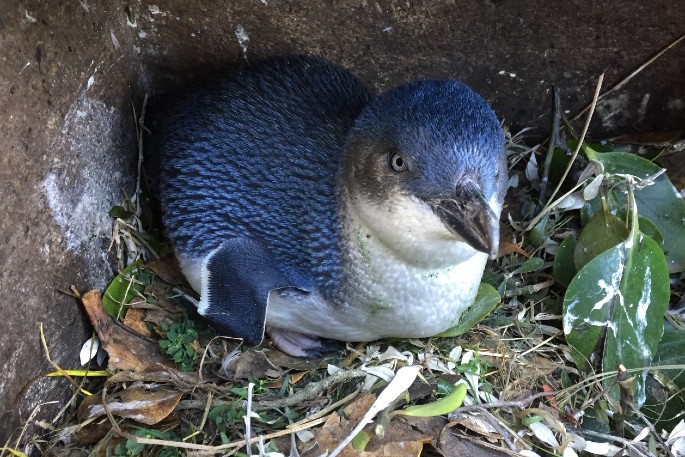
Ōamaru Penguins has recorded one of its most successful breeding seasons, with 994 kororā chicks fledging across two managed colonies between May 2025 and April 2026.
The organisation, which manages both the town’s visitor colony and a separate non-visitor control site, says the result marks a significant conservation milestone.
Science and environmental manager Philippa Agnew says strong breeding performance was recorded across both sites, including several rare triple-brooding pairs.
“Seasons like this are the result of decades of careful management, predator control and close monitoring,” Philippa says.
“Part of the reason we’ve seen a particularly good season is that the 2024 to 2025 season was so challenging. The breeding season for 2025 to 2026 started early as a result, allowing for those multiple broods we’ve seen.”
She says long-term monitoring remains vital as kororā continue to face pressure.
Researchers identify individual penguins through microchipping and regular nest checks, allowing staff to track breeding outcomes, chick growth rates and seasonal patterns. Results from the season will be presented at Birds New Zealand’s annual conference and the 12th International Penguin Conference later this year.
Penguin Awards highlight colony characters
To mark the end of the season, Ōamaru Penguins released its annual Penguin Awards.
A standout breeding pair successfully raised six chicks during the season, while the heaviest chick reached 1.65kg at seven weeks old — around 600g above average.
One penguin was recorded ashore during 25 Tuesday monitoring sessions, earning the “Biggest Homebody” title, while another weighed 1.99kg before moulting.
Staff also recognised a particularly defensive bird known for attacking during nest checks, and one chick that gained 470g in a single week.
Another penguin disappeared for a month while carrying a video logger designed for a single day, before eventually returning with the device still attached.
Winter monitoring begins
With breeding season complete, staff are shifting to winter monitoring and preparations for next season.
“Even though the penguins have finished their breeding season, they will continue to come and go at the colony over the next few months, renewing their pair bonds and building their nests, so there’s still plenty for visitors to come and see,” Philippa says.