

This Content Is Only For Subscribers
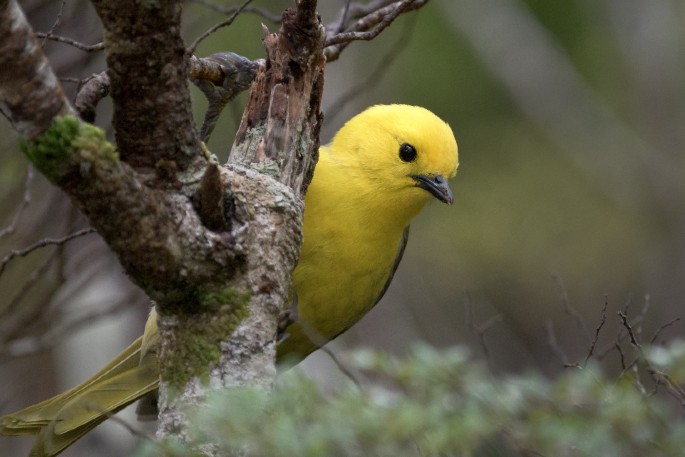
A surprise sighting of five rare mohua in Arthur’s Pass National Park has raised hopes for the recovery of the endangered native bird following a translocation programme launched three years ago.
The birds were spotted by volunteer trapper Hamish Reid in the Poulter Valley, where 41 mohua were released by the Department of Conservation in 2022 after a 20-year absence from the area.
DOC’s North Canterbury predator control programme lead Archie MacFarlane says the discovery was an unexpected boost.
“We’ve really struggled to find the population of birds that were translocated in 2022. They had seemingly gone. The five that Hamish saw are either survivors of that translocated population or they may be a different remnant group which would make them a genetically distinct population. Either way it’s fantastic news.”
The sighting comes as predator control and trapping programmes continue to transform the Poulter and neighbouring Hawdon valleys, with DOC reporting increased numbers of native birds across the area.
Hamish, who volunteers trapping stoats, weasels and rats in the valley, says the area has become a biodiversity hotspot.
“It’s a magical place now. You can hear kiwi calling, ruru/morepork and other native birds. It’s like an orchestra.”
He says trampers regularly comment on the abundance of birdlife and appreciate the conservation work being undertaken.
Mohua, also known as yellowheads, were virtually wiped out from North Canterbury during the 1990s and now survive in only a handful of South Island locations, supported by predator control and translocation programmes.