

This Content Is Only For Subscribers
A new self-guided visitor experience at Pukerangiora Pā is opening the stories of one of Aotearoa New Zealand’s most significant historic sites to a wider audience.
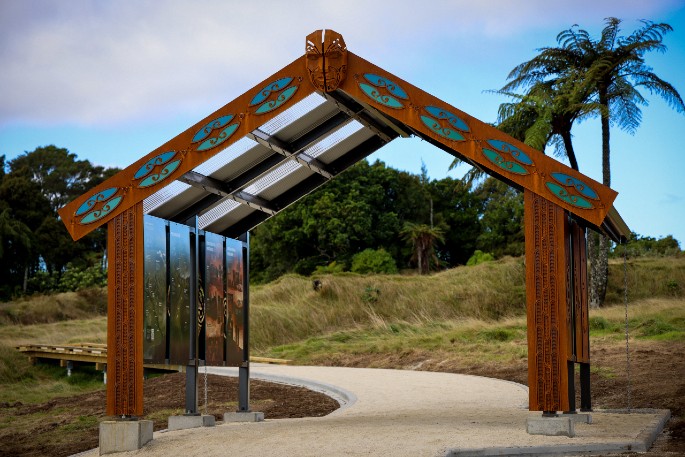
The experience officially opened on June 12, 2026 and introduces interpretation panels, QR-code storytelling, virtual reality and audio elements designed to help visitors explore the landscape and better understand the people, history and events connected to the site.
Perched above the Waitara River, Pukerangiora Pā is regarded as one of the country’s most significant cultural and historic landscapes. Once among the largest fortified settlements in New Zealand, it holds stories of occupation, conflict, survival and resilience, including connections to the Musket Wars and the New Zealand Wars.
Pukerangiora Hapū chair Nardia Lichtwark says the project has been developed to ensure those stories can be shared with future generations.
“For generations, the stories of Pukerangiora have been carried by our people and our connection to this whenua. This experience creates an opportunity to share those stories more widely and ensure the significance of this place is understood and remembered,” Nardia says.
Visitors can follow the self-guided experience through the reserve using interpretation panels and QR codes positioned at key locations, while a paid Story Map available from the New Plymouth i-SITE Visitor Centre offers additional audio content.
The experience also incorporates virtual reality and audio technology to help visitors understand how the pā once looked and functioned.
Te Puna Umanga Venture Taranaki general manager destination Janet Reynolds says the project adds an important cultural tourism experience to the region.
“Pukerangiora is one of New Zealand’s most significant historic sites, and this new experience provides a meaningful opportunity for people to connect with the stories, history and culture of this place,” Janet says.
Located about 20 minutes north of New Plymouth, the Pukerangiora Pā experience is free to visit year-round. The reopening follows a $2.77 million Government investment to restore the historic site.