

This Content Is Only For Subscribers
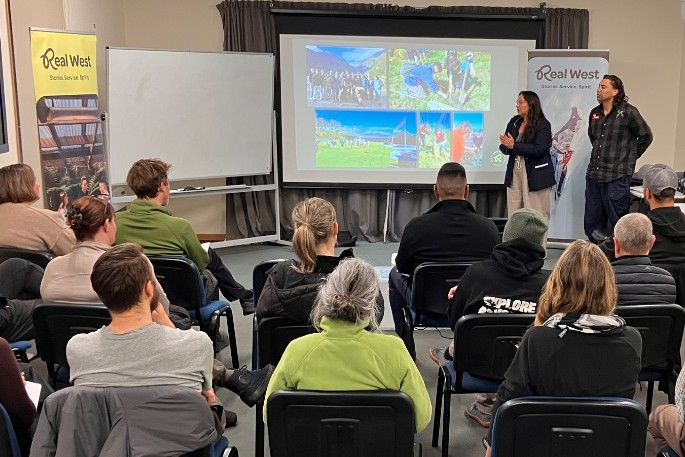
A strong sense of optimism and collaboration emerged from the recent Real West Leaders sessions held in Westport, Hokitika and Franz Josef, with tourism operators and community leaders focused on building a more connected and regenerative future for the West Coast.
The workshops marked the conclusion of the 2025/26 Real West programme and phase one of the West Coast Destination Management Plan activation process.
The programme was designed to strengthen alignment with the destination management plan across the tourism sector, encourage regenerative tourism practices, build stronger connections between the Coast’s three districts and provide industry-focused training.
Tourism and conservation focus
Representatives from mana whenua, Department of Conservation, local businesses and facilitators took part in discussions covering tourism pressures, conservation, infrastructure and long-term regional resilience.
Business managers whose staff attended frontline Real West workshops reflected positively on the summer season and shared examples of how the training had benefited their teams.
The programme also focused on strengthening awareness of the West Coast’s cultural heritage and reinforcing the role wilderness, culture and local character play in shaping visitor experiences.
DOC staff provided updates on summer tourism activity and outlined how International Visitor Levy funding is being used to help manage visitor pressures and infrastructure demands at key sites.
Regenerative tourism research
Development West Coast destination and tourism manager Andrew Aitken shared findings from regenerative tourism research completed in partnership with University of Otago, Scenic Hotel Group and Development West Coast.
“Our recent regenerative tourism research reinforces what we heard consistently throughout the Real West Leaders sessions, that the future success of the West Coast relies on strong collaboration across the wider tourism ecosystem,” Andrew says.
“Creating positive visitor experiences and delivering long-term benefits for local communities requires businesses, councils, mana whenua, educators, infrastructure providers and community organisations all working together with a shared sense of purpose.”
Looking ahead
The workshops also highlighted growing momentum behind “ecosystem thinking” across the Coast, including increased participation in nature-positive initiatives through Development West Coast’s Nature Economy Project.
Participants described the Real West programme as an important platform for leadership development, mentoring and shared learning.
Future plans for “Real West 2.0” include online learning, professional development opportunities, mentoring programmes, accreditation pathways and career initiatives for rangatahi.
The 2025/26 Real West programme included 12 workshops attended by 247 participants from 41 West Coast businesses and organisations.