

This Content Is Only For Subscribers
The National Kiwi Hatchery in Rotorua is celebrating 30 years of kiwi conservation this December, marking a milestone in its work to protect one of New Zealand’s most treasured taonga.
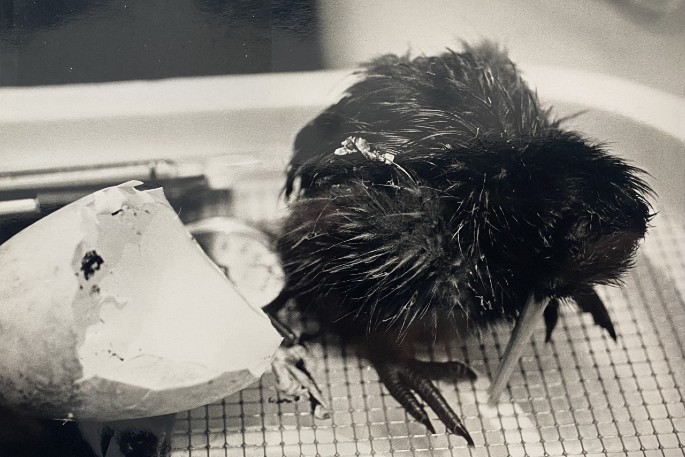
The first kiwi egg arrived at the hatchery from Tongariro in December 1995. Since then, the facility has hatched more than 2,600 kiwi, making it the most successful kiwi hatchery in the world.
National Kiwi Hatchery manager Emma Bean says the anniversary is an important moment for conservation.
“Over the past 30 years, through the combined efforts of Operation Nest Egg and predator control, we have been able to turn the tide for kiwi, lifting their threat status from ‘at risk’ to ‘no longer threatened’ but conservation dependant,” Emma says.
Through Operation Nest Egg, the hatchery receives North Island brown kiwi eggs from 15 reserves and sanctuaries. Emma says newly hatched kiwi are extremely vulnerable to predation, with 95 per cent of juveniles in the wild dying before adulthood, but the hatchery dramatically improves their chances of survival.
“Our job is to keep the newly hatched chicks safe until they have tripled their birth weight and reached a ‘stoat-proof’ weight of one kilogram,” she says. “After around five months, the young kiwi are big enough to be released into the wild and have a 65 per cent chance of surviving to adulthood.”
The hatchery welcomed its first chick, Te Aukaha, in early 1996 from a small shed at Rainbow Springs Nature Park. Now operated by Ngāi Tahu Tourism, the hatchery moved into new purpose-built premises at the Agrodome in 2023.
Ngāi Tahu Tourism general manager Jolanda Cave says the hatchery’s progress over the past three decades highlights the strength of its partnerships.
“The 30th anniversary milestone is an opportunity to acknowledge all of the kaimahi, volunteers and partners that have been part of this conservation journey,” Jolanda says.
“Through these collective efforts, the National Kiwi Hatchery has developed into a world-leading kiwi conservation facility that shares specialist knowledge within the zoological and conservation communities and plays an important role in educating international and domestic visitors about this treasured species.”
To mark the anniversary, visitors can purchase a special kiwi soft toy tagged with the name of a chick hatched during one of the 30 breeding seasons. A linked QR code provides information about each chick. The hatchery is also running a competition on social media to name a kiwi chick.
For more information, visit: nationalkiwihatchery.org.nz