

This Content Is Only For Subscribers
Rodent and stoat numbers have dropped to almost undetectable levels across a remarkable biodiversity hotspot in Kahurangi National Park following a recent successful predator control operation.
Friends of Flora volunteers recently checked 1342 trap boxes across the Flora area of Wharepapa/Mount Arthur and found just one rat caught, located in a toxin exclusion zone around a hut.
Tracking tunnels, which were put out across the wider operation area in July, also recorded no rodent footprints or detections.
The Cobb Valley and Wharepapa/Mount Arthur area operation, covering about 73,846 ha, was carried out in late June as part of the Department of Conservation’s National Predator Control Programme.
The aerial 1080 operation was in response to a localised beech mast (mass seeding event) in 2025 which monitoring showed had triggered a surge in rodent and stoat numbers. It was needed to protect vulnerable species including great spotted kiwi/roroa, whio, kea, kākā and Powelliphanta giant snails.
Community conservation group Friends of Flora have been trapping in the Flora area since 2001. They currently manage an extensive network of trap boxes, each with two traps inside.
Long-time Friends of Flora volunteer Robin Toy says it’s unusual to check so many traps and find almost nothing, and it’s a strong sign the aerial operation has been effective.
Robin says the Flora area is an extraordinary place with astonishing biodiversity.
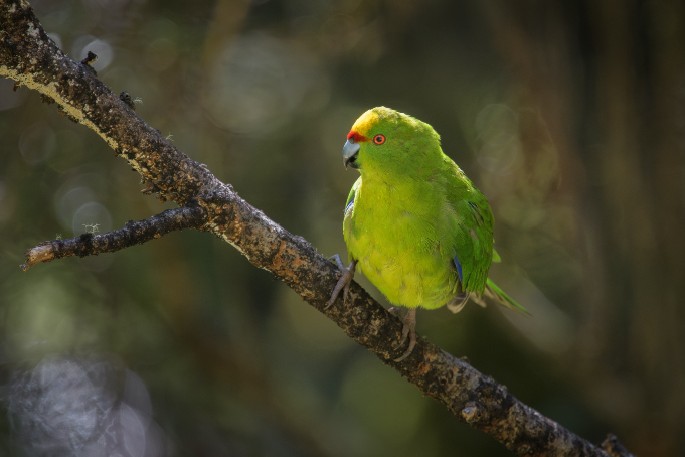
“After previous predator control operations, we’ve seen native species really benefit. The most obvious is the kākāriki/yellow-crowned parakeet, everybody visiting the area is hearing them these days. We’re hoping there will be big flocks of them after another successful breeding season due to the low predator numbers.
“Kahurangi is a biodiversity hotspot, and Flora a hotspot within a hotspot. As well as the bird life, it’s important for insects like forest butterflies and wētā and plants like rare mistletoe.”
DOC Motueka Biodiversity ranger Leon Everett says it’s fantastic to have these results which should help native species have a bumper breeding season.
“With predator numbers at such low levels, species like roroa, whio, kakariki, kea and kākā have a much better chance of successfully breeding. They’re most vulnerable to predators when nesting, unhatched, or young and small, so this operation gives them a great start.
“Mount Arthur is also the gateway to alpine naturing experiences in Kahurangi, with visitors making the most of the access road reopening earlier in the year. Thriving birdsong and healthy bush adds to the magic of visiting this amazing part of the country.”