

This Content Is Only For Subscribers
The Government is stepping up its response to H5 avian influenza after a kāhu (swamp harrier) found in the Wairarapa became the second bird in New Zealand confirmed to have the virus.
The latest detection follows confirmation earlier this week of H5 in a migratory brown skua found at Petone Beach. There have been no detections in poultry.
Biosecurity Minister Andrew Hoggard says the latest case shows New Zealand’s surveillance programme is working as intended.
“While it’s disappointing to find a native bird with H5 bird flu, it’s not unexpected following the confirmation earlier this week of our first case.”
The Government will increase surveillance of wild birds in the Wairarapa, provide additional biosecurity support to poultry and egg producers in the region, and establish a scientific advisory group to support the response.
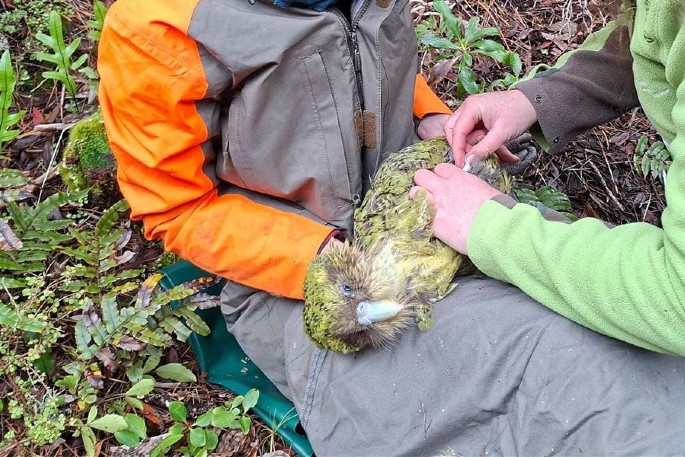
Conservation Minister Tama Potaka says the Department of Conservation is continuing its vaccination programme for threatened native birds and has received approval to extend vaccinations to additional priority species if required.
DOC has so far administered first vaccine doses to 67 birds from threatened species, with further vaccinations and booster doses planned over coming weeks.
The Government is urging people not to handle sick or dead birds and to report groups of three or more sick or dead wild birds to the Ministry for Primary Industries. Officials say chicken and eggs remain safe to eat and H5 bird flu continues to pose a very low risk to human health.