

This Content Is Only For Subscribers
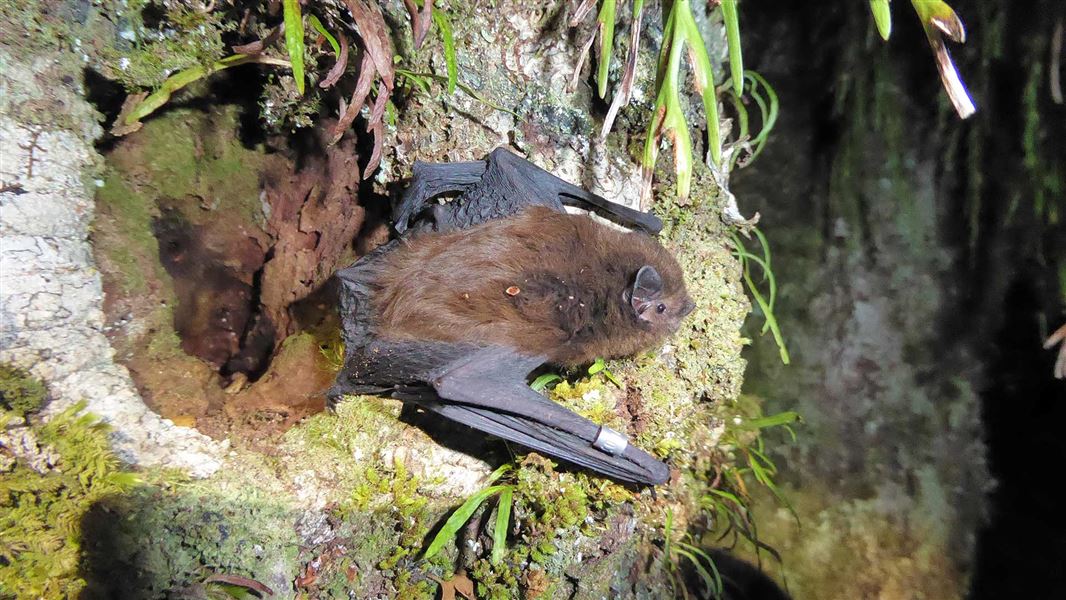
Long-tailed bat activity near the Heaphy Track has more than tripled since monitoring began in 2018, with predator control credited for the increase.
Digital recorders were placed at 25 locations along the Heaphy and Gunner rivers in Kahurangi National Park over 12 fine nights in February.
The average bat pass rate reached 6.75 this year, up from 1.79 when monitoring began in 2018.
At one recorder near the Heaphy River, north of its fork with the Gunner River, more than 500 bat passes were recorded on three separate nights.
Department of Conservation technical advisor Moira Pryde says bat activity is spreading from a known breeding population in the upper Gunner River towards the Heaphy River.
“It’s a great sign the aerial predator control and local trapping is working in the Heaphy valley.”
Long-tailed bats roost in holes and cavities in mature trees, making them vulnerable to predators including rats, stoats and feral cats.
Moira says earlier monitoring found bats were difficult to detect at lower altitudes in the Heaphy valley, where rat numbers were higher.
“These encouraging results show us that aerial predator control creates ‘safe periods’ allowing bats to breed and increase their numbers.”
The results could also increase the chances of visitors encountering the species while walking the Heaphy Track.
“Bats aren’t often seen by the public, as they have disappeared from most areas due to habitat destruction and predation, but people naturing on the Heaphy Track should watch out at sundown for these fast-moving tiny creatures who will be out foraging in increasing numbers.”
The wildlife work in the Heaphy valley is partially funded through compensation provided by Bathurst Resources in 2013 for biodiversity loss associated with the Escarpment Mine operation on the Denniston Plateau.