

This Content Is Only For Subscribers
The Department of Conservation is closely monitoring the country’s first detection of H5 avian influenza in a wild migratory bird, while stressing there is no evidence the virus is spreading among New Zealand wildlife.
The H5 strain was detected in a single migratory brown skua, prompting DOC to activate preparedness plans developed over several years in partnership with the Ministry for Primary Industries, the Ministry of Health and Health New Zealand.
Deputy director-general Cat Wilson says the detection is significant but there is no indication the virus has spread beyond the individual bird.
“For now, we remain focused on monitoring the situation closely and finalising our readiness plans and updating our guidance, working with iwi and conservation partners.”
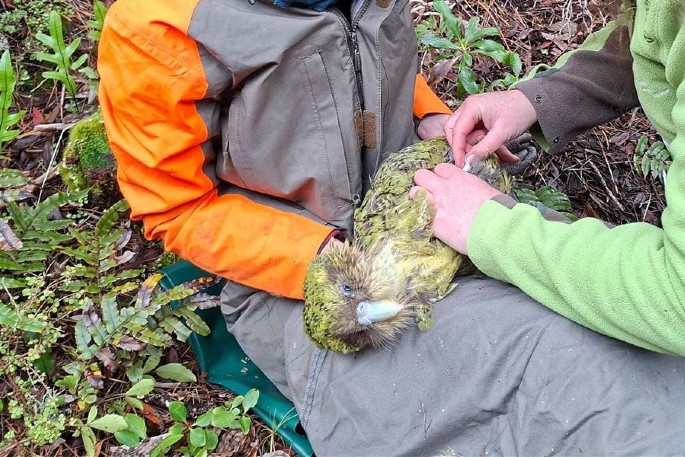
DOC has already begun vaccinating breeding populations of five of New Zealand’s most threatened bird species – kākāpō, takahē, tchūriwat’/tūturuatu/shore plover, kakī/black stilt and kākāriki karaka/orange-fronted parakeet. By the end of Thursday, July 16, 67 of around 300 birds will have received their first vaccine dose, with the programme expected to be completed by spring.
If H5 becomes established in wild bird populations, DOC says its focus will shift to limiting spread on public conservation land through biosecurity measures and continued conservation work, including predator control and breeding programmes.
Visitors to national parks and other natural areas are being urged not to handle sick or dead wildlife, to clean gear after spending time outdoors, and to report groups of three or more sick or dead birds or other wildlife to MPI.