

This Content Is Only For Subscribers
New Zealand’s summer conservation season remained steady despite significant weather disruption, with visitors dispersing to new regions and maintaining overall demand.
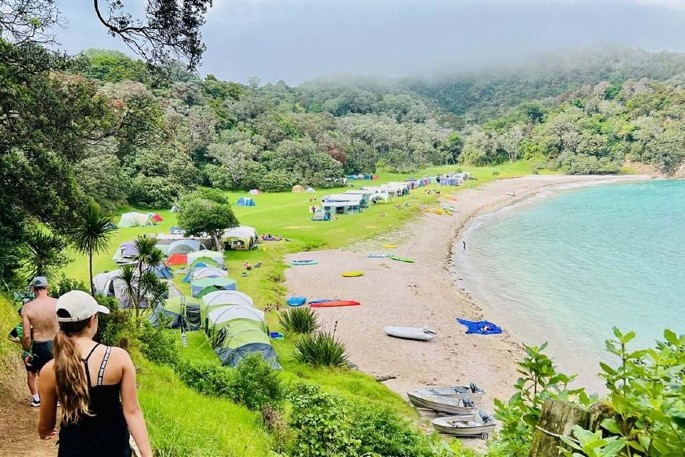
New data from Department of Conservation shows more than 323,000 visitor nights were recorded across huts and campsites between October and late January, broadly in line with the previous summer.
Severe weather and temporary closures affected some high-profile locations, but other regions saw strong growth as visitors adjusted their plans and explored alternative destinations.
Regional spread boosts visitation
Several regions recorded notable increases, including Otago (up 30 per cent), Wellington/Kāpiti (up 35 per cent), Wairarapa (up 71 per cent) and Taranaki (up 96 per cent) following the reopening of Pouākai Hut.
The central North Island and Marlborough also reported steady growth, supported by new and upgraded facilities.
The shift suggests visitors are becoming more flexible in their travel choices, helping spread demand beyond traditional hotspots.
Storm damage impacts infrastructure
Storms in January and further severe weather in February caused widespread damage across conservation areas.
Early estimates put repair and recovery costs at between $2.25 million and $3.2 million, with further assessments expected to increase that figure.
Department of Conservation director heritage and visitor Cat Wilson says demand remained strong despite the disruption.
“We’ve seen strong demand right through summer, even with the disruption storms have caused in some regions,” Cat says.
“Our teams have worked incredibly hard to assess damage quickly and prioritise the most important repairs, so we can safely restore access for visitors and support local communities.”
Recovery underway
In areas where a state of emergency was declared in January, most affected sites have now been assessed, with damage estimated at between $1.7 million and $2.6 million.
Immediate recovery work has focused on reopening key visitor infrastructure, including campgrounds, huts, roads and tracks.
Three campgrounds in Coromandel and Bay of Plenty have already reopened following repairs.
Cat says visitors are encouraged to remain flexible as recovery continues.
“Even though summer is over, we know people enjoy naturing year-round,” she says.
“By being flexible about where and when we visit, especially while some places recover, we can keep enjoying the outdoors while protecting it for the future.”