

This Content Is Only For Subscribers
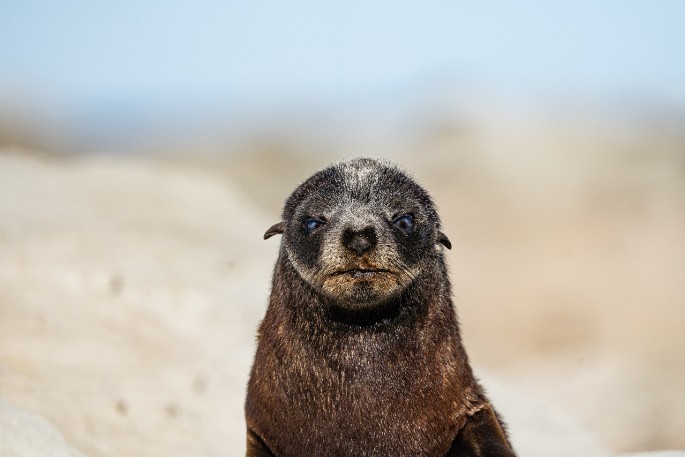
The Department of Conservation is urging visitors to give wildlife space after reports of people getting too close to kekeno/New Zealand fur seals on the Kaikōura Peninsula.
Department of Conservation South Marlborough operations manager Stacey Wrenn says while the Kaikōura Peninsula offers popular walking and wildlife viewing opportunities, visitors must treat native species with respect.
“It’s great to see people out enjoying the coast, but we’ve had reports of people getting far too close to seals, including an incident where people allegedly tried to kick or poke fur seals to get a photo, which we are investigating,” Stacey says.
“This sort of behaviour is completely unacceptable.”
Stacey says kekeno are a taonga species for local iwi Ngāti Kuri and Te Rūnanga o Ngāi Tahu, and like all marine mammals, are protected under the Marine Mammals Protection Act 1978.
“It is an offence to disturb, harass, harm, injure or kill marine mammals,” she says.
DOC’s guidelines for viewing fur seals include:
- stay at least 20 metres away
- avoid loud noises or throwing objects
- keep dogs and children well clear
- do not feed seals
- never attempt to touch a seal
“These guidelines are for the safety of both people and seals,” Stacey says.
She says disturbing seals can alter their natural behaviour and have serious consequences, particularly during breeding season.
“Mothers may abandon pups if they are disturbed. While fur seals aren’t typically aggressive, they are wild animals and can react if they feel threatened. They have a powerful bite and can carry diseases that can be transmitted to people and dogs.”
Stacey encourages visitors to speak up if they see unsafe behaviour.
“If you see someone getting too close to a seal or other native animal, politely let them know they need to back off. If a person or dog is harassing wildlife, call the DOC hotline on 0800 DOC HOT (0800 362 468). Photos or video taken safely can also be very helpful.”
She says Kaikōura remains an important stronghold for fur seals, but local colonies have faced significant pressures in recent years.
“In 2024, a new strain of canine distemper virus was detected in the Kaikōura fur seal population, contributing to illness and deaths. The year before, many fur seals also died from starvation due to low food availability.”
DOC researchers are currently tracking eight female Kaikōura fur seals with pups using satellite and dive data to better understand feeding behaviour and habitat use.